Chicago has a way of surprising first-time visitors. People arrive expecting wind, deep-dish pizza and a famous skyline, and they leave talking about the lakefront beaches, the neighborhood taverns and the architecture they could not stop looking up at. If you are drawing up a list of things to do in Chicago, the challenge is not finding enough to fill a trip. It is choosing well, so you see the landmarks without missing the everyday city that locals love.
This guide is built for a first visit of three or four days, with a mix of headline sights and quieter corners.
Start Downtown: The Loop and the River
The Loop, named for the elevated train tracks that circle it, is the natural place to begin. Walk to Millennium Park and spend a few minutes at Cloud Gate, the polished steel sculpture everyone calls "the Bean". Next door, the Art Institute of Chicago holds one of the great art collections in the country, and it is easy to lose half a day there without noticing.
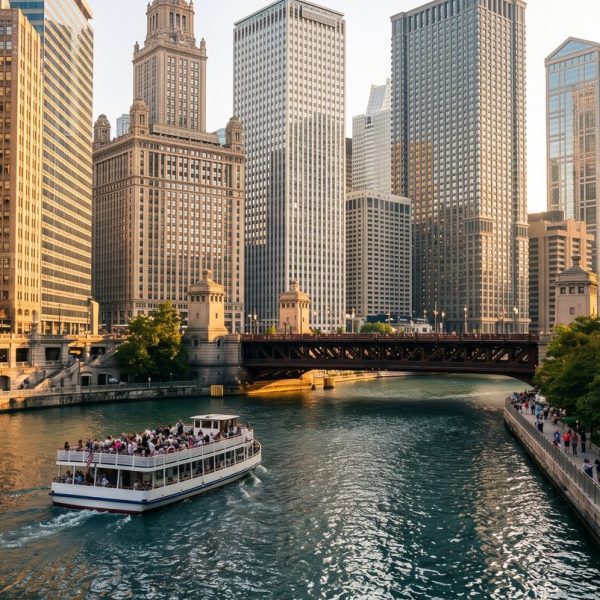
Then head to the river. The single most recommended activity in the city is an architecture boat tour, and the praise is deserved. Guides explain how the city rebuilt itself after the Great Fire of 1871, how the skyscraper was born here, and why the river famously flows backwards. Afterwards, stroll the Chicago Riverwalk, which turns the water's edge into a long promenade of cafés and benches.
Things to Do in Chicago Along the Lakefront
Lake Michigan is Chicago's front yard. The Lakefront Trail runs for around 18 miles, and renting a bike for a couple of hours is the best way to understand how the city sits against the water. In summer the beaches fill with volleyball games and swimmers; in colder months the same path is a bracing, beautiful walk.
Further south along the shore you will find the Museum Campus, home to the Field Museum, the Shedd Aquarium and the Adler Planetarium. Pick one rather than trying all three in a day. To the north, Lincoln Park offers a free zoo, a conservatory full of tropical plants and some of the prettiest residential streets in the city.
Explore the Neighborhoods
Chicago is often described as a city of neighborhoods, and this is where the trip becomes personal. Pilsen, on the Lower West Side, is known for its vivid murals and strong Mexican heritage, with excellent taquerias and bakeries. Wicker Park and Bucktown have independent shops, record stores and the 606, an elevated trail built on an old rail line. Andersonville, on the North Side, has Swedish roots and a relaxed, village-like main street. Hyde Park, near the University of Chicago, is home to the vast Museum of Science and Industry.
Riding the 'L' trains between these areas is part of the experience. A Ventra card or a contactless bank card works across trains and buses, and the system makes it easy to explore without a car.
What to Eat
You cannot leave without trying deep-dish pizza, though many locals will quietly tell you they prefer the thin, square-cut tavern style. The Italian beef sandwich, served dipped in its own juices, is another Chicago classic, as is the Chicago-style hot dog with its bright green relish and absolutely no ketchup. For something sweeter, look for Garrett-style popcorn mixing caramel and cheese, a combination that sounds strange until you try it.
Sports, Views and Evenings
If your visit falls in baseball season, a game at Wrigley Field is pure Chicago, with its ivy-covered outfield walls and a neighborhood that comes alive around every home game. For views, the Skydeck at Willis Tower and the observatory at 360 Chicago both offer sweeping panoramas, best enjoyed close to sunset. In the evening, the city's comedy clubs, jazz bars and blues venues carry on a long tradition of live performance.
Practical Chicago Travel Tips
Late spring through early autumn is the most comfortable time to visit, while winter brings real cold but also fewer crowds and festive markets. Stay near the Loop or River North for convenience on a first trip. Book popular tours ahead in summer. The city's official visitor site, Choose Chicago, lists current events and seasonal openings, and the detailed history of Chicago is worth a read before you go, because the stories behind the buildings make every walk richer.
Chicago also welcomes huge numbers of international visitors, and its neighborhoods are a reminder of how many languages shape American cities. If your travels this year take you further afield, this look at top travel destinations and the languages spoken there is a fun companion for planning.
Make Chicago Part of a Bigger Journey
Many travelers use Chicago as the starting point for a longer trip, since it sits at the beginning of the historic Route 66 and within easy reach of the Great Lakes states. If that sounds tempting, this guide to planning a multi-state American road trip will help you map out the miles beyond the city.
However long you stay, give yourself time to wander. The best moments in Chicago often happen between the famous sights, on a corner bench by the river or in a neighborhood diner, when the city stops being a destination and starts feeling like a place you know.