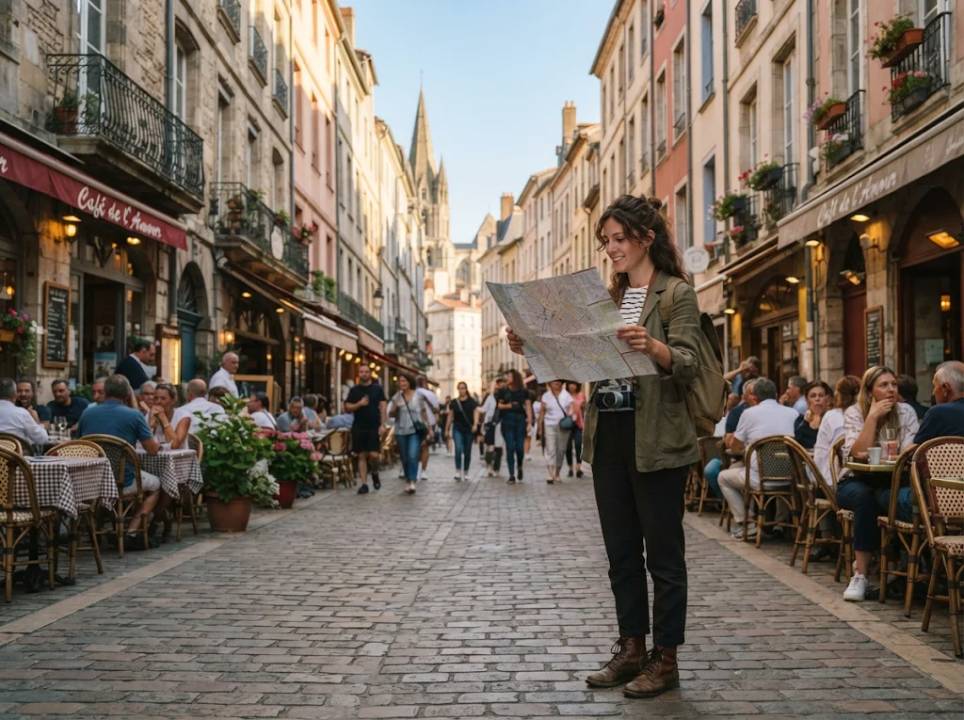
Every city has two faces. One appears in guidebooks and on postcards. The other lives in side streets, neighborhood markets, local cafes and conversations with people who have lived there all their lives. Travelers who want to understand a place need both. This article shares practical methods for exploring a new city like a curious local, from preparing before you arrive and choosing where to walk to eating, using transport, meeting people and handling language. It also covers documents for longer stays and how to keep your discoveries organized.
Do a Little Homework
Read a short history of the city, look at a map and pick three areas that interest you. Official lists such as the UNESCO World Heritage List can show which cities have sites of global importance, but do not stop there. Search for local blogs, newsletters and community calendars. A few hours of reading change what you notice when you arrive.
Preparation does not limit spontaneity, it gives you the knowledge to recognize interesting details when you meet them.
Walk Without a Destination
Walking is the best way to feel a city. Choose a starting point and follow streets that look interesting, avoiding the main avenues. Notice doors, courtyards, signs, street art, shop windows and the way people live. Carry a small notebook or use your phone to mark places you want to return to.
Leave your schedule empty for at least one afternoon in each city.
Use Public Transport
Buses, trams and metros show how locals move. Buy a day pass or a card, learn how to validate tickets and watch the first stop to see the rhythm of the routes. Riding to the end of a line often reveals neighborhoods that tourists rarely see. Avoid rush hours when carrying luggage.
Check safety tips and keep valuables close, especially on crowded lines.
Eat Where Locals Eat
Choose small restaurants with short menus, markets with prepared food and bakeries that sell out in the morning. Ask hosts and shop owners for favorites, and try a dish you cannot pronounce. Lunch menus are often cheaper than dinner. Read about local dining customs, such as tipping and meal times.
Taste is a direct path to culture.
Handle the Language
You do not need fluency to enjoy a city, but a few phrases open doors. Learn greetings, thanks, numbers and basic questions. Translation apps help with signs and menus. For longer stays, plan documents such as leases, health records and school forms, and consider professional help. Travelers heading to Israel or working with Hebrew-speaking partners may need hebrew translation services for contracts and applications.
Politeness and patience matter more than perfect grammar.
Moving From Visit to Stay
Some visits turn into months or years. Remote workers and students need permits, housing contracts, bank accounts and sometimes certified translations of personal documents. Our article on documents for moving to a new city lists typical papers and common mistakes, and it is useful beyond the specific country it describes.
Start gathering documents before you travel, and keep digital copies.
Meet People
Join a free walking tour led by local guides, attend a language exchange, visit a community center, take a class or volunteer for a day. Ask questions and listen. Many residents are proud of their city and happy to share stories. Be respectful of customs and private spaces.
Friendly conversations often lead to the best recommendations.
Keep a Record
Photos, short notes, sketches and maps help you remember. Write down the names of places, dishes and people, and mark routes on a digital map. Review your notes in the evening, and plan the next day with fresh ideas. Years later, these records will bring the trip back vividly.
Share useful findings with friends or on a blog to help other travelers.
Museums and Culture Without Fatigue
Choose one or two museums per day and spend time with a few objects instead of rushing through every room. Audio guides, free days and evening openings can improve the experience. Look at local theaters, concerts, galleries and festivals, many of which are inexpensive. Ask hosts what events are happening this week, and check schedules online. Rest in parks and cafes between visits to keep your energy.
Quality of attention matters more than the number of attractions you check off a list.
Safety and Respect
Keep copies of passports and insurance, stay aware of your surroundings and use official taxis or apps. Learn about local scams and avoid unsolicited offers. Dress and behave respectfully in religious places and residential areas. Ask before photographing people, and follow local rules about drones and public spaces.
Responsible travelers leave a positive impression and help keep cities welcoming.
Slow Down and Return
If possible, stay longer in fewer places. A week in one city teaches more than a day in each of seven. Revisit favorite streets at different times of day, and notice how light and crowds change them. Local rhythms appear when you repeat routes.
Many travelers say that their best memories come from the third visit to the same cafe.
Photography and Sketching in the City
A camera or sketchbook slows your eyes and reveals details. Look for patterns in windows, doors, shadows and reflections. Visit the same spot in the morning and evening to see how light changes. Ask permission before photographing people, and avoid blocking narrow paths.
Even a simple phone camera can record the character of a street.
Markets, Parks and Public Squares
Markets show what people eat and how they bargain. Parks reveal how residents relax, play and meet friends. Public squares are stages for music, protests and festivals. Spend time in these places without rushing, and watch how people use them.
Sitting on a bench with a coffee is one of the best ways to understand a city.
Respecting Local Life
Residential streets are not attractions. Keep noise low, do not enter private property and avoid blocking doorways for photographs. Support small shops, and follow rules about waste, smoking and animals.
Travelers who behave kindly are remembered fondly.
Making a Personal City Map
Mark places you liked, with short notes about food, views and people. Add routes you walked and ideas for next time. Share the map with friends who plan to visit. A personal map becomes a living guide and a pleasant memory.
Digital maps make it easy to update and share.
Nightlife and Evening Culture
Evenings reveal another side of a city. Look for live music, small theaters, street food and night markets. Check closing times of public transport, and agree on a safe route back. Ask locals which neighborhoods are lively and welcoming.
A relaxed evening walk can become the highlight of the day.