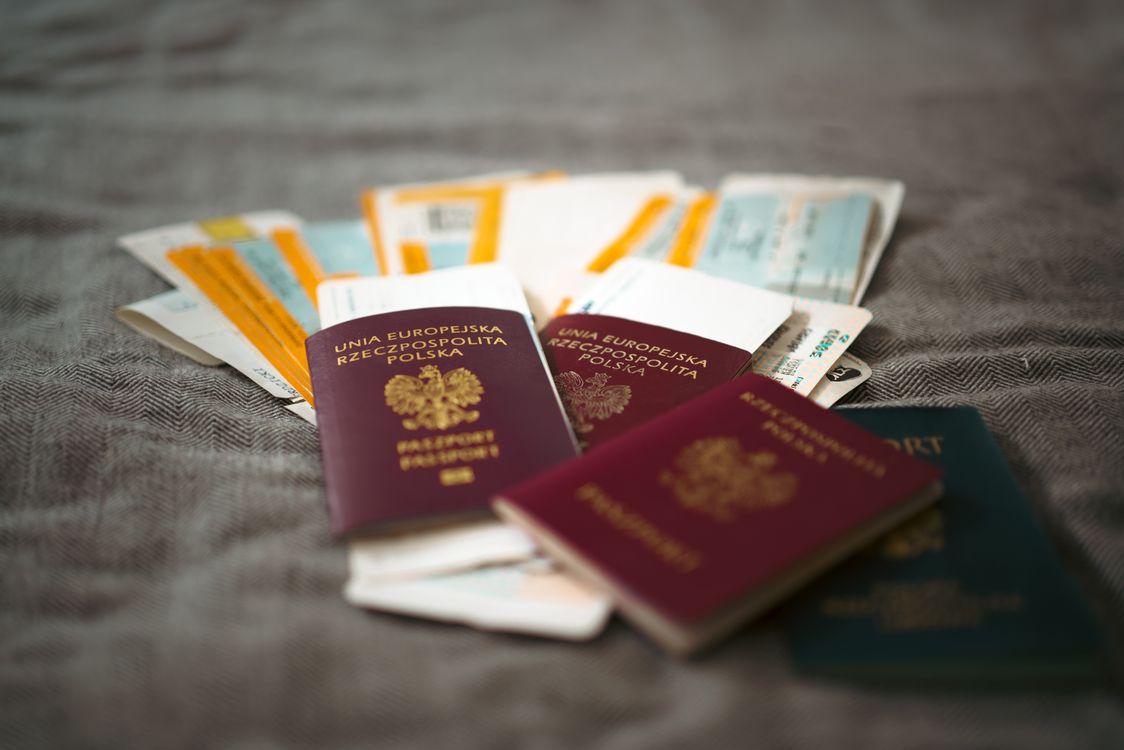
Travel stops being a holiday when paperwork starts
A weekend trip needs a passport and a booking. A longer stay needs much more. Study visas work permits family reunions and long term rentals all ask for papers that prove who you are and what you have done. When those papers are in another language the process slows down at every counter.
Who asks for translated documents
Embassies immigration offices universities landlords banks and insurers all ask for different things. Some accept English. Many insist on the local language. A few demand that the translation carry a stamp or a sworn statement. Assuming that one version works everywhere is the quickest way to waste a month.
Which papers travelers carry most
Birth and marriage certificates diplomas police records bank statements medical reports and driving licenses top the list. Some travelers add employment letters and rental contracts. Each document has its own risk. Identity papers need absolute accuracy while a reference letter allows some flexibility in wording.
When a stamp is required
For visas residency and legal procedures offices often want official certified translation services with a signature and a seal from a qualified professional. These versions carry legal weight and officials rely on them. A free online tool or a friend with good language skills cannot provide that guarantee.
Where to confirm the rules
The US Department of State travel site lists visa types and document requirements for many destinations. Always read the official page of the country you are entering before spending money. Rules change quickly and old blog posts often repeat advice that is no longer valid.
The airline and border perspective
The IATA publishes information for travelers and airlines about entry requirements and health documents. Airlines check papers at the gate and can refuse boarding if something is missing. Having every translated page in your folder prevents stressful scenes at the airport.
Use technology as a helper not a judge
Many travelers ask the best ai platforms like chatgpt for quick explanations of forms and itineraries. These tools can summarise rules and draft emails but they cannot certify anything. Use them to understand a document and then rely on a qualified professional for anything an official will read.
Apostille and legalization
Some countries require an extra seal that confirms the origin of the document. This step often comes before translation. Check with the receiving authority which order they prefer. Repeating the process because of a wrong sequence costs time and money.
Names and spelling
Passport spelling is the reference. If a certificate shows a different transliteration ask the translator to note it and keep a letter of explanation ready. Small differences cause large delays when a clerk is trained to reject any mismatch.
Digital and paper copies
Carry both. Save scans in a secure cloud folder and keep printed copies in a separate bag. Include the original and the translated version. Losing a document abroad is stressful but a good backup turns a disaster into a minor errand.
Timing matters
Begin early. Translation apostille shipping and appointment slots all take time. Aim to finish paperwork at least three months before departure. Last minute rush fees add up and mistakes become more likely.
Budget for the process
Expect to pay for translation stamps and shipping. Ask for a written quote and a delivery date. Cheap offers may skip steps that officials require. A clear price saves arguments and lets you plan the rest of the move.
A final checklist
Confirm the rules. Gather originals. Check names. Get the translation done by a qualified provider. Make copies. Store them safely. Carry a short folder in your hand luggage. With these steps your arrival will be smoother and your first days abroad less stressful.
Travellers who have been turned away at a counter over a missing stamp learn quickly that the requirements described above are not negotiable. A licence, a diploma or a medical record is only useful abroad if the translation carries the statement and credentials the receiving office expects. Getting that right the first time is the whole point of certified translation services, and it is considerably cheaper than discovering the problem the morning an application is due.
Students abroad
Students need transcripts diplomas and recommendation letters. Universities often have their own list of accepted translators. Ask the admissions office before ordering anything. Some schools evaluate foreign credentials through approved agencies that require official versions sent directly from the translator.
Working holidays and short contracts
Seasonal jobs abroad may ask for a work visa a contract and proof of experience. Even short roles need papers that employers trust. Prepare a simple CV in the local language and have key certificates translated so that recruiters can verify your skills fast.
Moving with family
Families need documents for every member including children. School records vaccination cards and custody papers matter. Keep them in a clear folder with a cover page listing each item. Officials appreciate order and it often speeds up the appointment.
Renting and buying property
Landlords ask for income proof and references. Notaries ask for identity and marital status. A property purchase involves contracts that must be understood by all sides. Never sign a document you cannot read. Request a certified version and ask a local lawyer to explain it.
Health and insurance abroad
Travel insurers need medical reports for pre existing conditions. Doctors abroad need to know your treatments and allergies. Carry a short medical summary in the local language. It may be the most useful page in your bag in an emergency.
Driving and vehicles
Some countries accept foreign licenses for a limited time and then require a local one. Translations of the license and registration papers help at rental desks and at the police stop. Verify the rule before you rent a car or bring your own vehicle.
Stay calm and organised
Paperwork can feel endless but it follows patterns. Once you understand the sequence you can repeat it for each destination. Keep notes of what worked. Share the list with friends who plan to move. The next trip will be easier thanks to this experience.
Scams to avoid
Fake agents promise instant visas and charge high fees. Verify the provider and read independent reviews. Never send original passports to unknown companies. A genuine translator will not guarantee approval by an embassy because decisions belong to the authority and not to the provider.
Learn from every trip
After each journey note what the officials asked for and how long it took. Keep a simple log and update your folder. Over time you build a personal playbook that saves effort and reduces anxiety before any new move or long stay abroad.